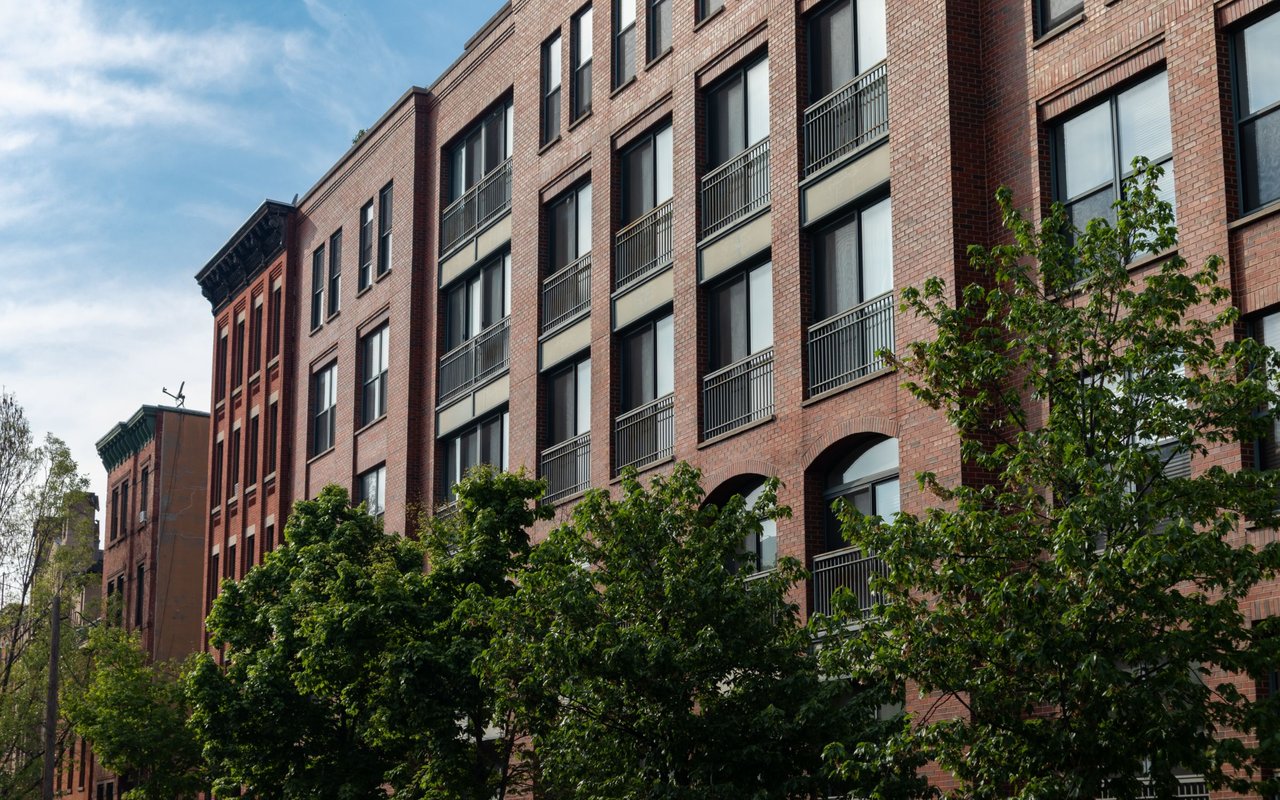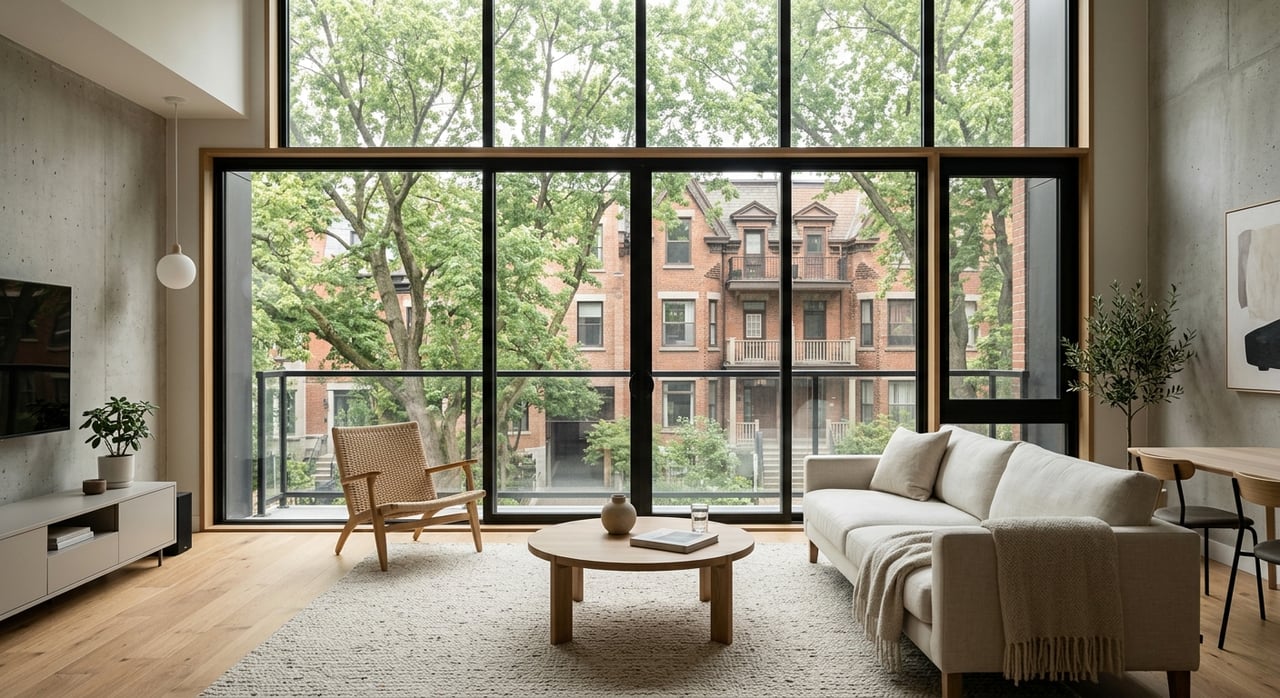
If you are thinking about living near a park in Hoboken, you are probably not just picturing a patch of green. You are picturing dog walks that feel easy, playground time that fits into the day, waterfront walks after work, or a farmers' market stop that becomes part of your weekly routine. In Hoboken, that picture is often real because the city says all residents live within a five-minute walk of a park. The real question is not whether a park is nearby, but what daily life around that park actually feels like. Let’s dive in.
Park access shapes daily routine
Hoboken says it has about 53 acres of park space, or roughly 1 acre per 1,000 residents, and that every resident is within a five-minute walk of a park. That is a meaningful detail if you are choosing where to live, because it suggests that outdoor space is woven into everyday life rather than set apart as a special trip. In practical terms, your before-work walk, weekend errand run, or evening reset may naturally pass through a park or along the waterfront.
The city has also added 11 acres of parkland since 2010. Some of the newer parks do more than offer open space. They are also designed to help manage stormwater, which means park life in Hoboken is tied not only to recreation, but also to how the city plans for resilience and day-to-day livability.
Midtown parks feel like neighborhood living
If you want park access that feels woven into a classic neighborhood rhythm, midtown Hoboken stands out. This area has a close cluster of parks and recurring activity that can make the surrounding blocks feel especially connected and lived-in. You are not just near one destination. You are near several places people return to again and again.
Church Square Park anchors the area
Church Square Park is one of the clearest examples of this feeling. The city describes it as the social and ecological center of its neighborhood, and its current features include basketball, a dog run, a playground, and passive open space. Hoboken also announced 2025 improvements that added a new toddler playground, new restrooms, and a landscape buffer along the dog run while preserving the park’s historic character.
That mix matters because it creates different reasons to visit throughout the day. You might pass through in the morning, circle back with a child later, or head over again for dog-run time. Friends of Church Square Park also partners with the city on stewardship and community programming, which adds to the sense that this is an active neighborhood hub, not just a green backdrop.
Nearby parks add flexibility
A few blocks away, Stevens Park includes a little-league field, open space, and a dog run. Columbus Park offers basketball, tennis, a playground, and passive space. Because Columbus Park is a Hudson County park, leashed dogs are also permitted on the grass there, which makes it a notable option for pet owners.
Taken together, these parks give the midtown area a steady, everyday tempo. You have places for recreation, pet routines, and simple outdoor downtime within a short distance. For many buyers and renters, that can make the neighborhood feel practical as well as social.
The farmers' market adds weekly rhythm
Midtown also has a built-in errand pattern thanks to the Midtown Farmers' Market on Garden Street between 4th and 5th Streets. That may sound like a small detail, but it can shape how a neighborhood feels week to week. Living nearby can mean your routine includes a casual market stop alongside playground time, dog walking, or a stroll home.
This is part of what makes park life in midtown feel so distinct. The parks are not isolated amenities. They are part of a neighborhood square experience with repeat foot traffic and familiar routines.
Waterfront parks feel more open and active
If midtown feels like a neighborhood square, the waterfront often feels like Hoboken’s outdoor common room. Here, the experience is shaped by open river views, long walking routes, and a stronger sense of public activity. For some people, that energy is exactly the draw.
The waterfront supports walking and recreation
Hoboken’s waterfront parks offer a wide range of uses within a relatively compact area. Pier A Park includes a great lawn, gazebo, and fishing. Pier C Park adds a fishing pier, play area, water play area, rookery, and promenade. Sinatra Park includes a kayak launch, outdoor amphitheater, and soccer field, while Maxwell Place Park offers a beach area, passive space, and a waterfront walkway.
Elysian Park adds another mix of options with a dog run, playground, basketball, and passive space. The city also says the Hudson River Waterfront Walkway has been nearly completed since 2010. That helps explain why living near the river can feel closely tied to walking, jogging, and spending time outside for longer stretches rather than quick park visits alone.
Events bring extra energy
The waterfront experience is not only scenic. It is also programmed. Hoboken’s Cultural Affairs division curates events such as the Arts and Music Festival, Art Month, the Harvest Festival, Movies Under the Stars, the Summer Concert Series, and other community arts programs. Recent Summer Fun programming has also included Fitness in the Park, Concerts in the Park, and Movies Under the Stars.
That means living near these spaces can come with more visible activity, especially on evenings and weekends. You may love that sense of momentum and community presence. Or you may prefer a quieter interior block. Either way, it is helpful to understand that not all park-adjacent living in Hoboken feels the same.
West and northwest parks feel newer
In west and northwest Hoboken, many of the city’s newer park investments create a different kind of everyday experience. These spaces tend to feel more contemporary and highly programmed, with amenities that support active recreation, family use, and visible resiliency design. If you value newer facilities and multi-use spaces, this part of the city may stand out.
Resiliency parks combine play and infrastructure
Southwest Resiliency Park is described by the city as New Jersey’s first resiliency park. It includes green infrastructure, a dog park, open lawn, pop-up market space, seating, and restrooms. In 2025, its expansion added six pickleball courts, a basketball court, a playground, a splash pad, swings, shade structures, and a social plaza.
7th & Jackson Resiliency Park includes an open grass area, a children’s play area, a plaza designed for vendors and seasonal markets, and a 6,835-square-foot public gymnasium. ResilienCity Park, the city’s largest resiliency park at more than 5 acres, includes a multi-purpose athletic field, a basketball court that doubles as a stormwater detention basin, a playground, open lawn space, and a water-spray area. The city says it can store up to 2 million gallons of stormwater.
These parks can change the feel of a block
Near these parks, daily life may feel a little more active and utility-driven. You may notice more pickup sports, more family-focused play areas, and more signs of newer public investment. That can appeal to buyers and renters who want amenities that support movement, recreation, and flexible public use.
Nearby spaces add to that mix. 1600 Park includes a multi-use field, a dog run, and a viewing mound or slide hill. Tom Olivieri Park is currently part of a public planning process for inclusive playground and spray-area upgrades, which points to continued attention on how these spaces serve day-to-day residents.
Pet owners should look closely
If you have a dog, park proximity in Hoboken deserves a closer look. A building near a park does not always mean your dog can use that park in the way you expect. The city’s rules create a more specific pattern than many buyers or renters assume.
The city says dogs are not permitted in city parks or playgrounds except in dog runs. Listed dog-run locations include Church Square Park, Elysian Park, Stevens Park, Southwest Resiliency Park, 1600 Park, Maxwell Place or Maxwell Park, the 14th Street Viaduct, and Shipyard Park’s private resident-only run. Leashed dogs are allowed on paved areas of the designated Waterfront Walkway, but not on the grass, and dogs are not permitted in Sinatra Park’s amphitheater or the interior walkway of Pier A.
Columbus Park is the key exception mentioned in the city’s guidance because it is a Hudson County park, so leashed dogs are permitted on the grass there. For pet owners, that distinction can shape which blocks feel easiest on a daily basis. The most useful question is not simply, “Is there a park nearby?” It is, “What kind of dog access is actually available nearby?”
What buyers and renters should notice
When you tour homes near Hoboken parks, it helps to think beyond views and distance. The park itself may influence noise levels, foot traffic, weekend activity, and how often you naturally spend time outdoors. In some locations, that creates a cozy neighborhood cadence. In others, it creates a more public, event-driven feel.
A simple way to compare areas is to think about the kind of routine each one supports:
- Midtown and interior parks: dog runs, playgrounds, market stops, and repeat neighborhood use
- Waterfront parks: long walks, river views, outdoor events, and more public activity
- West and northwest parks: newer amenities, sports, splash areas, and resiliency-focused design
None of these patterns is better across the board. The right fit depends on how you want your daily life to feel. If you are buying or renting in Hoboken, this is where local guidance can make a real difference because two homes with the same square footage can offer very different lived experiences based on the park nearby.
If you want help narrowing down which part of Hoboken matches your routine, priorities, and building preferences, Lisa Camarato offers thoughtful, white-glove guidance rooted in real neighborhood knowledge.
FAQs
What is everyday life like near Church Square Park in Hoboken?
- Living near Church Square Park often means easy access to a playground, dog run, basketball, passive space, and nearby weekly routines like the Midtown Farmers' Market.
What is everyday life like near Hoboken’s waterfront parks?
- Living near the waterfront often means more walking and jogging routes, river views, play areas, and a higher level of public programming like concerts, movies, and seasonal events.
What should dog owners know about Hoboken parks?
- In Hoboken city parks, dogs are generally only allowed in designated dog runs, while leashed dogs are allowed on paved areas of the Waterfront Walkway and on the grass at Columbus Park.
What makes west and northwest Hoboken parks different?
- Parks in west and northwest Hoboken tend to include newer amenities such as pickleball courts, splash areas, multi-use fields, social plazas, and resiliency features designed to manage stormwater.
How much park space does Hoboken have?
- Hoboken says it has about 53 acres of park space, roughly 1 acre per 1,000 residents, and that all residents live within a five-minute walk of a park.