Thinking about ditching your car in Hoboken? You’re not alone. In 07030, most daily errands and commutes can happen on foot, bike, or transit, which can free up your budget and your time. If you want a clear picture of what car-free life really looks like here, this guide walks you through commuting options, everyday errands, building amenities, and what to know about parking if you still keep a car. Let’s dive in.
Why Hoboken works without a car
Hoboken is compact and dense, which makes short trips the norm. The city covers about 1.25 square miles with an estimated population of roughly 59,149 as of mid‑2024, according to the U.S. Census QuickFacts. Downtown blocks stack shops, cafes, parks, and services close together.
Walkability is a standout. This central location earns a Walk Score of 100, or “Walker’s Paradise,” with strong transit and bike scores as well. Walk Score’s 07030 snapshot backs what residents already know: most errands don’t require a car.
Hoboken Terminal anchors the whole system. It’s a multimodal hub that ties together PATH, NJ TRANSIT commuter rail, the Hudson‑Bergen Light Rail, ferries, and regional buses. Being a short walk or quick bike ride to the Terminal gives you several reliable ways to get to Manhattan and around North Jersey. Explore the hub’s full lineup on NJ TRANSIT’s Hoboken Terminal page.
Getting to Manhattan and back
PATH to Midtown or Downtown
For many commuters, PATH is the daily default. The Hoboken to 33rd Street line is frequent and avoids traffic. The Hoboken–33rd Street in‑vehicle time is about 14 minutes, though your door‑to‑door time will depend on your building location, station access, and any last‑mile walk. The Hoboken–World Trade Center line serves Downtown. Schedules can shift with system upgrades, so check for updates before you set your routine.
What this feels like day to day: If you live near the Terminal or have easy bike access, hitting PATH becomes second nature. Many residents plan a 20 to 45 minute door‑to‑door Midtown commute depending on where they start, wait times, and where they need to end in Manhattan.
Ferries for waterfront jobs
If your office is near a ferry landing in Midtown or Lower Manhattan, ferries offer a comfortable ride and direct access to the waterfront. On‑water time can often run 10 to 20 minutes. Door‑to‑door timing depends on how close you are to Hoboken Terminal or an uptown slip, and how far you walk on the Manhattan side. Ferries tend to shine for jobs near West 39th Street, Brookfield Place, or Pier 11.
NJ TRANSIT rail and the Hudson‑Bergen Light Rail
If your commute runs into North Jersey or you’re connecting along the Gold Coast, Hoboken Terminal is the starting point for several NJ TRANSIT rail lines. The Hudson‑Bergen Light Rail adds local stops at 2nd Street, 9th Street, and the Terminal for easy east‑west movement and PATH connections.
Buses and local shuttles
NJ TRANSIT buses provide a one‑seat option to Midtown via Port Authority. They’re a useful backup when rail has a service change. For quick local hops inside the city, the Hop shuttle is a handy tool. Check routes on the City of Hoboken’s transportation and parking page.
Everyday mobility on two wheels
Citi Bike and e‑bikes
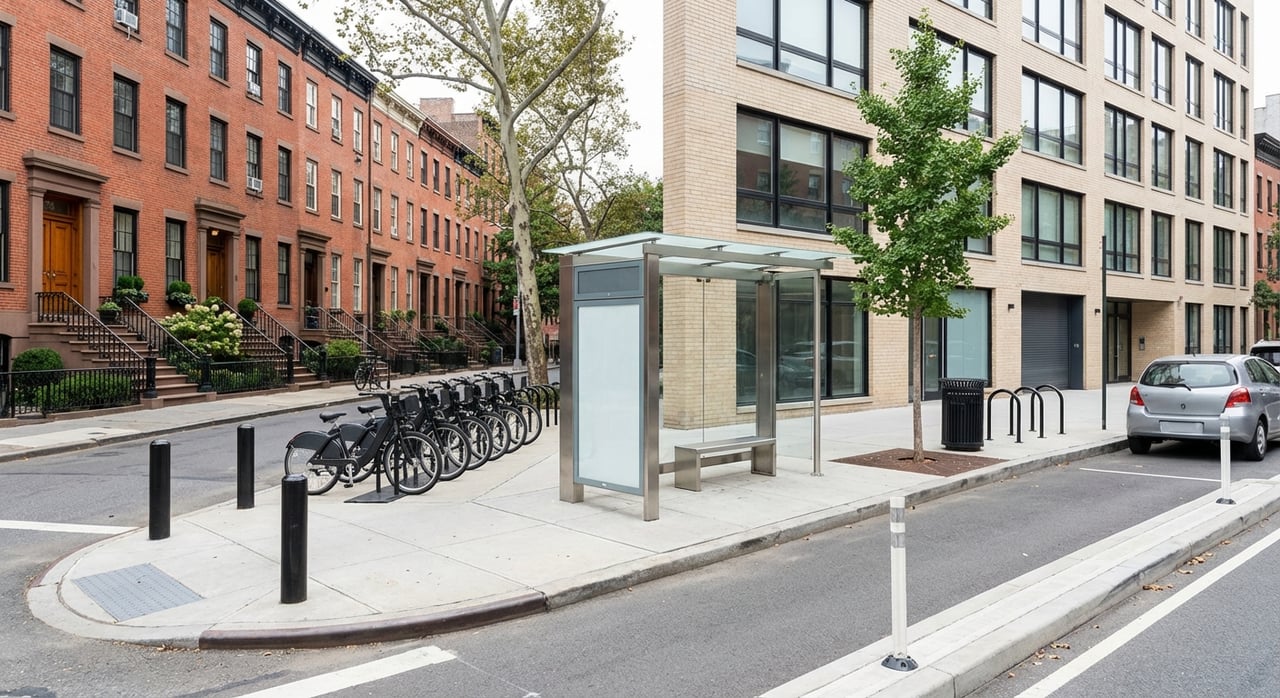
Hoboken participates in the regional Citi Bike network, which means you share the same system many New Yorkers use. The City has expanded docking capacity and introduced modular “Pillar” docks near high‑demand spots like City Hall and the Terminal. E‑bikes now power a large share of trips and make longer or hillier rides feel easy. See highlights from the City’s Citi Bike expansion update.
Day to day, you’ll notice fast station turnover near River Street and Hoboken Terminal during rush hours. If you live a bit farther from PATH, bike‑share can cut your door‑to‑door time and smooth out transfers.
Bike lanes and waterfront rides
Hoboken continues to layer in safer bike connections with projects like the Grand Street Complete Streets pilot and long‑term improvements along Sinatra Drive to stitch together the north and south waterfront. These upgrades help make short cross‑town trips by bike a practical, predictable habit.
Errands, parks, and life within a mile
Washington Street for daily needs
Washington Street is the city’s main spine, lined with groceries, pharmacies, cafes, gyms, and services. Many residents who live near Washington find that most errands are a short walk. The “Walker’s Paradise” rating isn’t just a label. It reflects real behavior: you’ll likely leave the house on foot for most needs and save driving for rare trips.
Waterfront parks for easy weekends
Pier A Park, Pier C Park, and the Hudson River Waterfront Walkway put fresh air within minutes of most addresses. That means your weekend plan can be as simple as a stroll or bike along the water instead of a long drive to find open space. Events and views keep the waterfront lively and accessible.
When you still need four wheels
Car‑free living doesn’t mean never touching a steering wheel again. It means you can access one when you truly need it.
Corner Cars and other car‑share
Hoboken’s Corner Cars program reserves on‑street spots for shared vehicles you can book by the hour. The aim is to make occasional driving convenient while lowering car ownership overall. Learn how to use a shared car through the Corner Cars municipal car‑share page. Zipcar also operates in town and across the metro area, which is useful for day trips, Costco runs, or a quick trip to the shore.
Short‑term rentals and garages
If you need a car for a full weekend or a move, traditional rental counters and neighborhood branches are available in the metro. For one‑off parking needs, municipal and private garages offer hourly and daily options. For recurring needs, review monthly programs on the City’s municipal garages page.
Parking realities if you keep a car
Permits and enforcement basics
Hoboken’s curb space is tight, so the Parking Utility uses license‑plate recognition to enforce resident and business permit rules. A permit helps with eligibility and pricing, but it does not guarantee a spot at your door. Read the City’s Parking FAQs to understand how zones, enforcement hours, and permit tiers work before you bring a car.
Monthly garages and typical price bands
Municipal garages run a range of monthly programs that often have waitlists. Private garages add more choices. Market guides have shown monthly rates starting under $200 in some deals and more commonly in the $250 to $400 range depending on location and access hours. Since parking is highly local and changes often, check a current source like the Hoboken monthly parking guide when budgeting.
Building-by-building parking
In condos and co‑ops, parking can be bundled with the unit, rented each month, or sold as a separate stall. Waterfront towers with more amenities sometimes offer shuttles to PATH or a nearby ferry and may include a stall in the rent or maintenance fee. Mid‑town and converted buildings often treat parking as a separate line item. Always confirm whether a stall is included, available for rent, or sold separately.
A sample car‑free day in 07030
- 7:45 a.m. Walk two blocks to Hoboken Terminal. Tap into PATH and arrive at 33rd Street in about 14 minutes in‑vehicle. Your door‑to‑door time is around 28 minutes today because your office is a short walk from Herald Square.
- 12:15 p.m. Lunch errand. Grab a Citi Bike outside your building for a quick ride to Washington Street. Dock outside the cafe and walk in.
- 5:35 p.m. Return commute. A brief PATH ride back to Hoboken. You grab a bike‑share at River Street to cut your homeward walk in half.
- 7:00 p.m. Sunset at Pier A. You meet friends for a stroll on the waterfront. No traffic, no meters, just fresh air.
- Saturday afternoon. You book a Corner Cars vehicle for a few hours to pick up a bulky item in Secaucus. Drop it back in a reserved on‑street spot and head home on foot.
How to choose the right Hoboken home for car‑free life
Use this quick checklist when you tour:
- Distance to Hoboken Terminal. Under a 10‑minute walk or a short, low‑stress bike ride can make your commute smoother.
- Proximity to Citi Bike docks. Look for docks near your building and your PATH or ferry of choice.
- Last‑mile options. A building shuttle to PATH or nearby ferry can save time if you live farther north.
- Secure bike storage. Dedicated bike rooms or easy roll‑in access matter if you plan to own a bike.
- Ground‑floor conveniences. Elevators, wide lobbies, and retail nearby simplify grocery runs and deliveries.
- Parking stance. If you might keep a car, ask about on‑site stalls, monthly rates, or how the building handles garage waitlists.
- Flex for disruptions. With multiple modes at the Terminal, you can switch between PATH, ferry, and light rail when service changes pop up.
Final thoughts
In Hoboken, car‑free living is not a trade‑off. It’s a lifestyle that works because of short blocks, a true transit hub, growing bike options, and easy access to parks and daily needs. If you choose the right building and the right location within 07030, you can commute with confidence and reclaim time you used to spend behind the wheel.
If you want help narrowing your search to car‑free friendly buildings and blocks, reach out to Lisa Camarato. You’ll get calm, local guidance and a clear plan for your move in Hoboken or across Hudson County.
FAQs
How long does a typical Hoboken to Midtown commute take on PATH?
- The in‑vehicle ride to 33rd Street is about 14 minutes, and door‑to‑door is often 20 to 45 minutes depending on your building, wait time, and office location.
Are daily errands in Hoboken truly walkable without a car?
- Yes. Washington Street and nearby blocks put groceries, pharmacies, gyms, and cafes within a short walk for many addresses.
What if I need a car once in a while?
- Use Corner Cars or other car‑share for hourly trips, and consider traditional rentals for day or weekend travel.
Is parking easy if I bring a car to Hoboken?
- Curb space is limited. Permits help with eligibility and pricing but don’t guarantee a spot, and garages often have waitlists and market‑based rates.
Do Hoboken buildings include parking with the unit?
- Some do, especially larger amenity buildings, while others rent or sell stalls separately; always confirm what’s included before you sign.