Thinking about Hoboken but not sure if Uptown or Downtown fits you best? You are not alone. The city is small, yet each area offers a different daily rhythm, commute, and price profile. In this guide, you will learn how the blocks compare so you can match your lifestyle, budget, and commute to the right location. Let’s dive in.
Uptown vs Downtown at a glance
Simple boundaries
Hoboken is compact, and people define Uptown and Downtown in different ways. A practical approach is this: think Downtown as the blocks within about a 10 to 15 minute walk of Hoboken Terminal and the waterfront piers. Uptown sits north and northwest of that core. You can often walk from one end to the other in about 15 to 30 minutes, depending on your exact starting point.
Big‑picture tradeoffs
- Downtown usually delivers the strongest transit access and the widest mix of restaurants, nightlife, and newer mid or high‑rise buildings. You will see more activity and, on average, higher prices and rents.
- Uptown leans more residential with tree‑lined streets, many pre‑war walk‑ups, co‑ops, and rowhouse conversions. It can feel quieter, and some units may be more affordable than newer Downtown buildings, though prices vary by block and building.
Commute and transit
Door‑to‑door timing
If a fast Manhattan commute is your top priority, blocks close to Hoboken Terminal and the waterfront piers often win. A 5 to 10 minute walk to PATH, ferry, or commuter rail can save you time every day. From Uptown, expect a 10 to 25 minute walk to the Terminal, or plan for a short bus ride. Focus on total door‑to‑door time, not just the ride length.
PATH, ferry, rail, and bus options
Hoboken Terminal anchors NJ Transit commuter rail, PATH connections, and NY Waterway ferries to Midtown and Lower Manhattan. The Hudson‑Bergen Light Rail serves the Terminal and connects to other Hudson County stops. Bus routes run along major corridors and can shorten the commute from Uptown addresses. Service patterns can change by time of day, so test your route during the hours you will actually travel.
For walkers and cyclists
Hoboken is one of the most walkable and bikeable towns in the area. Many residents walk or bike from Uptown to the PATH or to workplaces in town. If you plan to bike, map safe routes to the Terminal and note where you can store your bike at home.
Street feel and buildings
Downtown buildings and vibe
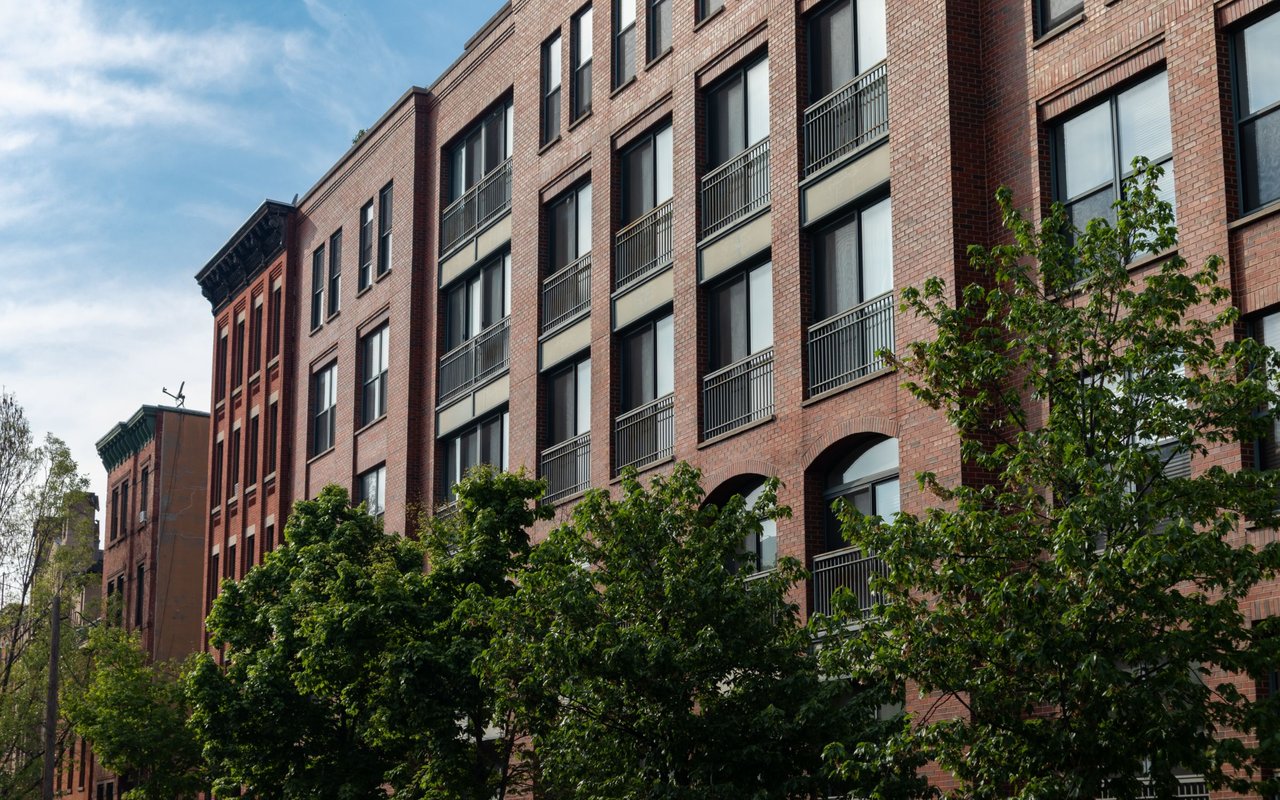
Downtown features many contemporary condo and rental buildings, often with elevators, doormen, gyms, and sometimes parking. You will also find older buildings close to the core. With more commercial activity and nightlife clusters, Downtown streets can be busier and louder, especially near Washington Street and along the entertainment areas by the waterfront.
Uptown buildings and vibe
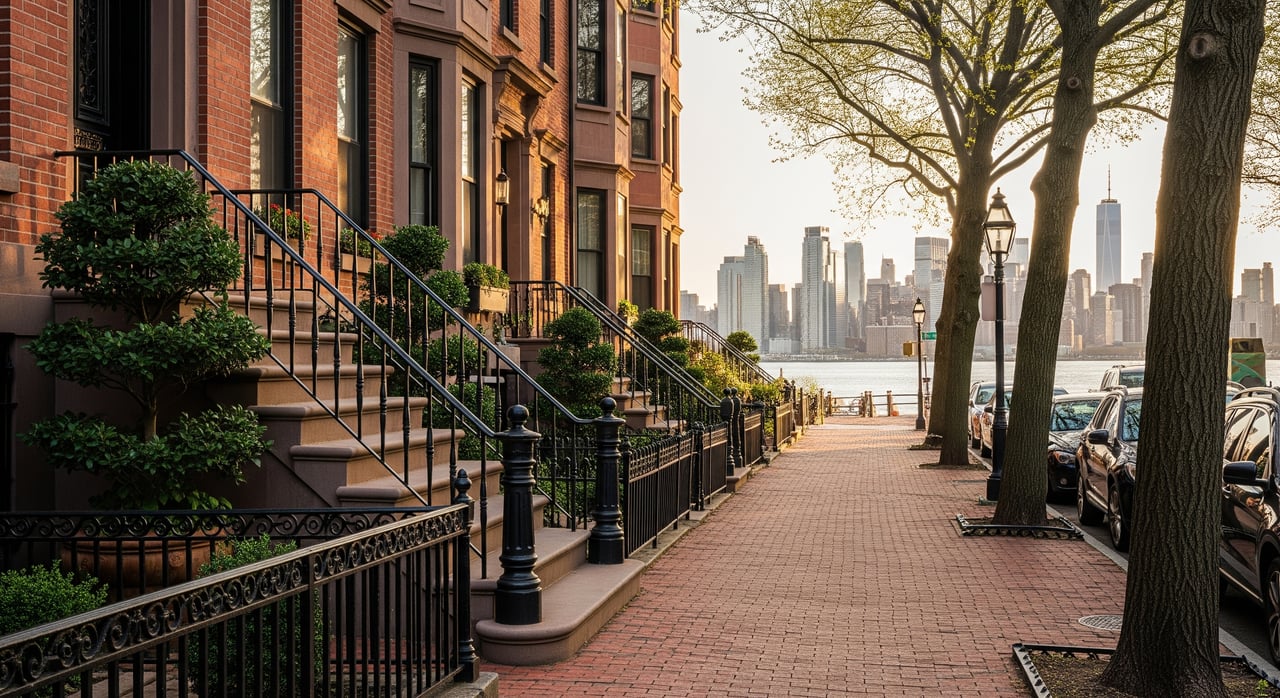
Uptown has more low‑rise pre‑war walk‑ups, brownstones, small co‑ops, and rowhouse conversions. Many streets feel residential and tree‑lined. Block‑to‑block differences are real, so a quiet street can sit a short walk from a lively corner. If you prefer a stoop or backyard lifestyle, Uptown blocks often offer that look and feel.
Parking realities
Parking is limited across Hoboken. Some newer Downtown buildings include garages for residents. Street parking is competitive citywide. Certain Uptown pockets can feel a bit easier, but plan on limited availability unless your unit includes a dedicated space. If you own a car, weigh parking fees and policies as part of your monthly budget.
Amenities that shape daily life
Dining and nightlife
Downtown has the highest density of restaurants, bars, and late‑night spots. It is great if you value walkable dining and a social scene. Uptown offers smaller cafés and neighborhood restaurants, with a mix of bistros and easy takeout. You will find options in both areas, but the heaviest concentration is Downtown.
Groceries and everyday services
Both Uptown and Downtown have grocery and pharmacy options. Downtown has a larger cluster of specialty shops and boutiques, and Uptown residents often visit Washington Street for broader choices. If a specific market or specialty store matters to you, map the walk from target blocks.
Parks and waterfront
Hoboken’s waterfront walkway runs along the river, with many larger parks and piers adjacent to the Downtown waterfront. If quick access to piers and open waterfront spaces is key, Downtown blocks make that easy. Uptown offers pocket parks, playgrounds, and green spaces that serve daily routines. Your distance to parks varies by the exact block, so check a few addresses.
Schools and family services
The Hoboken School District serves the entire city. School assignments can depend on your address, so verify details for any specific street. Some households choose Uptown for quieter residential streets and proximity to neighborhood parks and daycare. Others choose Downtown to balance short commutes with waterfront recreation. Use your daily routine to guide the choice.
Healthcare and services
Hospitals and urgent care facilities are reachable from both Uptown and Downtown. Downtown’s proximity to major transit can help if you commute to a hospital or medical campus outside Hoboken.
Cost, inventory, and unit types
Condos vs co‑ops
Newer Downtown condos tend to be easier to finance with conventional mortgages, and many offer luxury amenities. These benefits often come with higher sale prices and higher HOA fees. Uptown has more co‑ops and older walk‑ups. Co‑ops can list at lower prices than new construction, but they usually have board approval, stricter financing rules, and may require larger down payments. If you are a first‑time buyer, plan time to understand the policies before you bid.
Monthly carrying costs
Look beyond the sticker price. Compare HOA or co‑op maintenance fees, parking fees, utilities, and property taxes. Amenities like doormen, gyms, and pools can add to monthly costs. In older units, factor in upcoming renovations and reserve contributions that may affect fees.
Rentals and price patterns
Downtown rentals typically command higher prices for quick transit and nightlife access. Uptown can offer more square footage per dollar, depending on building type and renovation level. Renovated walk‑ups can price close to newer buildings if they are well located and updated.
Micro‑location matters
Two units a few blocks apart can perform very differently. In the same building, floor level, view, and amenities can swing value. Waterfront views and a short walk to PATH or ferry often push pricing higher. Visit in person and look closely at the block and the building.
How to choose your block
Quick selector: match your priorities
- If you prioritize the fastest Manhattan commute, focus on blocks within a short walk to Hoboken Terminal or the waterfront ferries, which usually means Downtown.
- If you prioritize budget, explore Uptown for pre‑war co‑ops and smaller condos that may offer lower entry prices, while noting co‑op rules and financing.
- If you prioritize dining and nightlife, look near Downtown corridors and Washington Street clusters.
- If you prioritize quieter streets and a residential feel, consider north and northwest blocks away from main arteries.
- If you prioritize waterfront recreation, Downtown waterfront blocks offer the shortest access to piers and larger parks.
On‑the‑ground checklist
- Time your commute door to door during rush hour, including the walk and wait.
- Confirm building type and policies: condo versus co‑op, board approvals, financing rules.
- Add up total monthly costs: HOA or maintenance fees, parking, utilities, and taxes.
- Visit at different times: weekday mornings, evenings, and weekends to gauge noise and activity.
- Map your walk to grocery, pharmacy, daycare, and schools if relevant.
- Verify parking options and costs if you own a car.
- Assess unit condition and set your renovation priorities.
- Review sales and rental demand for the block and building with comparable data.
Smart tips for first‑timers
Financing prep for co‑ops
If you are considering a co‑op, understand down payment expectations, permitted financing ratios, and any post‑closing liquidity guidelines. Review the board’s application and interview process early. Your lender should be familiar with co‑op financing standards.
Evaluating a building
Ask how long typical listings take to sell and whether there are any planned assessments. Inquire about reserves and recent capital projects. For amenity buildings, confirm rules for pets, move‑in fees, and amenity hours that affect your routine.
Look through a resale lens
Even if you plan to stay, think about future resale. Proximity to transit, water views, sensible layouts, natural light, and well‑managed buildings tend to hold value. Note short‑term rental activity nearby since that can affect building feel and noise.
Putting it all together
Here is the bottom line. Downtown shines for speed to transit, waterfront access, and a lively scene, with many newer buildings and premium pricing. Uptown offers a calmer residential feel, more historic housing, and potential savings, especially in co‑ops and smaller units. Since Hoboken is compact, your exact block matters as much as the broad label. Walk it, time it, and compare the real monthly costs before you decide.
If you want help narrowing your search to the right building and block, reach out to Lisa Camarato. You will get calm, step‑by‑step guidance, clear explanations of condo and co‑op rules, and marketing‑smart advice grounded in local knowledge. Get a free home valuation or let’s connect to start a conversation.
FAQs
Is Downtown always more expensive than Uptown in Hoboken?
- Generally yes for newer construction and waterfront views, but older Downtown co‑ops can be competitively priced. Micro‑location and building specifics matter.
Is Uptown Hoboken inconvenient for Manhattan commuters?
- Not necessarily. Many Uptown residents accept a 10 to 25 minute walk or use bus connections. If you need a sub‑10 minute door‑to‑platform time, Downtown is usually better.
Are co‑ops common in Uptown Hoboken?
- Yes. Many older Uptown properties are co‑ops or small condo conversions. Review board rules, financing limits, and approval timelines before you bid.
Which Hoboken area suits quieter residential living?
- North and northwest blocks often feel more residential and calm. Visit at different times to confirm the street’s character and your comfort level.
Is the Hoboken waterfront only accessible Downtown?
- The walkway runs the length of the city, but many larger parks and piers sit near the Downtown waterfront. Check your target block for distance to specific piers.
What monthly costs should I compare across buildings?
- Compare HOA or maintenance fees, taxes, utilities, parking, and any assessment risk. Add transit costs and consider renovation needs for older units.