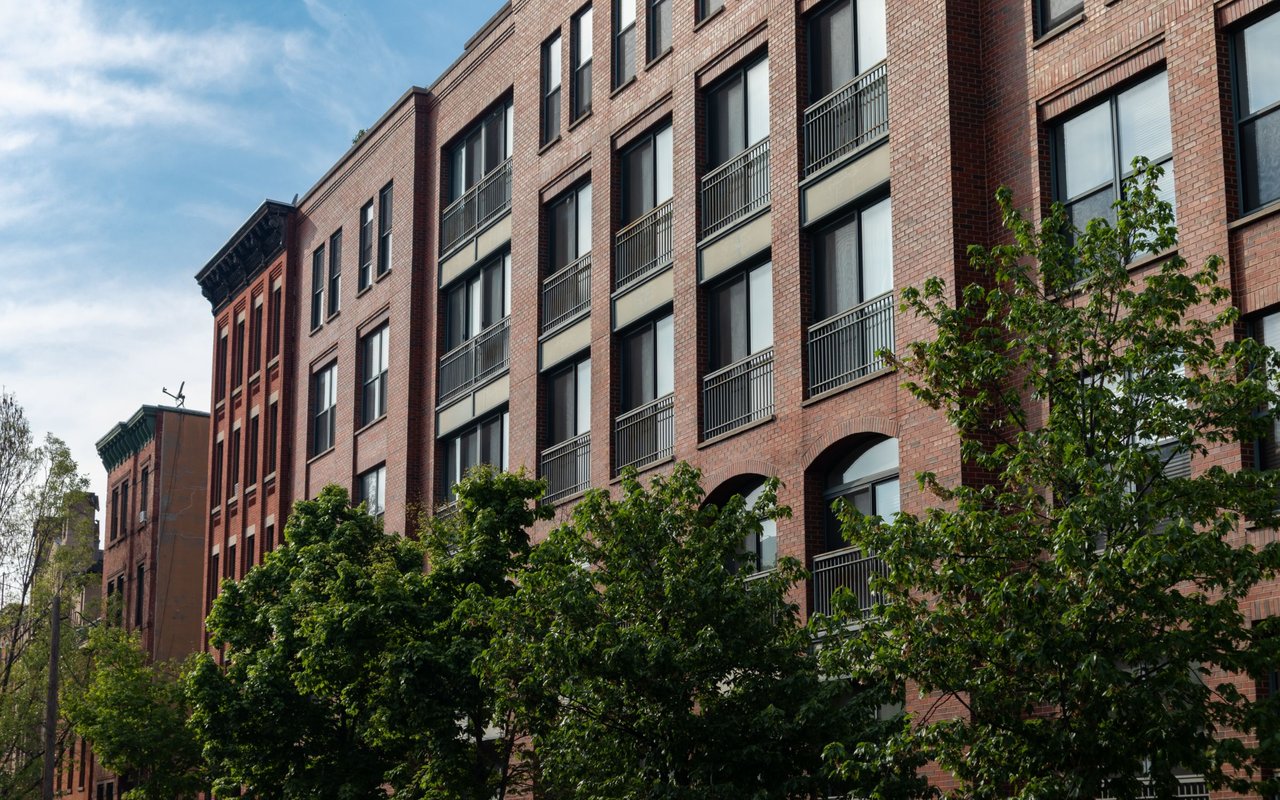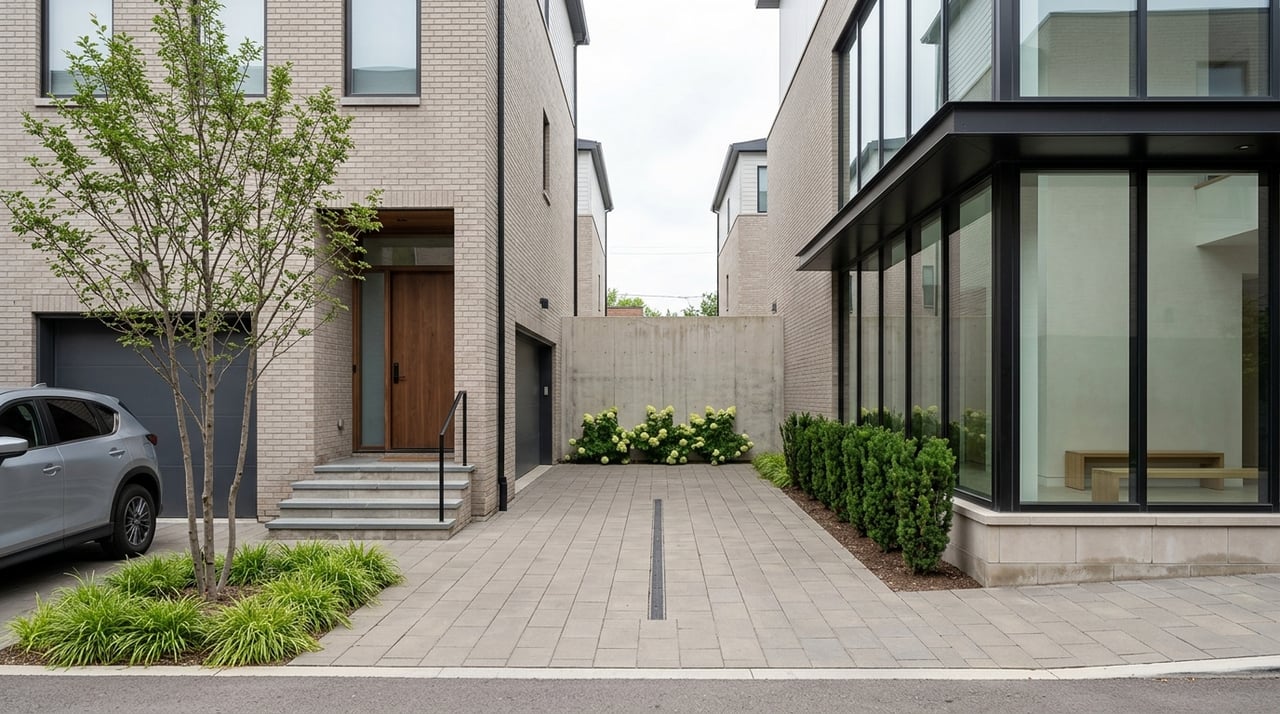
Choosing between a high-rise and a townhome in Edgewater can feel like choosing between two very different versions of the same town. You may love the idea of river views and shared amenities, but also want a quieter, more private day-to-day setup. The good news is that Edgewater truly offers both, and the borough’s planning framework supports each lifestyle in different ways. Let’s dive in.
Why Edgewater Offers Both Options
Edgewater stands out because it blends a busy waterfront corridor with lower-scale residential pockets. According to the borough’s master plan, the town is shaped around Hudson River access, continuous walkways, and visual connections to the waterfront and skyline.
At the same time, the same plan calls for preserved open space, better access from River Road to waterfront walkways, and limits on building height along the waterfront. That planning approach helps explain why Edgewater can feel more urban in one area and more neighborhood-scaled just a few blocks away.
The borough’s zoning code reinforces that split. Some districts support higher-intensity mixed-use and waterfront development, while the R-3 residential framework limits apartments and townhouses to three stories or 35 feet, with a cap of 12 dwelling units per acre.
What High-Rise Living Feels Like
If you are drawn to convenience, views, and shared amenities, a high-rise may feel like the right fit. In Edgewater, tower living is typically tied more closely to the River Road waterfront corridor, where redevelopment has brought in multi-story residential communities and mixed-use projects.
State and borough documents identify places like City Place, The Promenade, and Independence Harbor as part of Edgewater’s waterfront redevelopment pattern. The borough describes City Place and other waterfront developments as major parts of that corridor, which helps show how established this style of housing is in town.
Access and Daily Convenience
One of the biggest draws of high-rise living is convenience. The borough’s shuttle and bus system serves stops along River Road, including Main Street, City Place, Thompson Lane, Garden Place, and Hilliard Avenue.
The master plan also supports a ferry stop at City Place and encourages pedestrian circulation along River Road. For you, that can mean easier access to transportation, retail, and waterfront paths, especially if you want a more connected, less car-dependent routine.
Shared Amenities Over Private Space
High-rise living often means trading private outdoor space for common amenities and managed shared areas. Edgewater’s planning framework emphasizes public open space, walkways, integrated design, and structured parking rather than private yards.
That usually translates into a lifestyle centered on views, convenience, and association-managed spaces. If you prefer less exterior upkeep and more access to amenities, that tradeoff may feel worthwhile.
A good local example is Independence Harbor, which describes itself as a gated, pet-friendly waterfront community on 25 acres with open green spaces, swimming pools, tennis courts, and multiple housing types. While every community is different, this gives you a useful picture of Edgewater’s amenity-rich waterfront experience.
A More Active Setting
Because many high-rise communities sit closer to River Road, they are generally more exposed to the activity that comes with a busy corridor. Shuttle stops, traffic, retail destinations, and promenade use all tend to be more concentrated there.
That does not automatically mean a property will feel noisy, but it does suggest a more active setting than many lower-rise streets. If you enjoy having more going on around you, that can be a benefit rather than a drawback.
What Townhome Living Feels Like
If you want a home that feels more residential in scale, a townhome or low-rise community may be a better match. In Edgewater, that style of living is typically shaped by lower height limits, more separation between buildings, and a quieter overall rhythm.
The borough’s zoning standards support that impression. In the R-3 framework, buildings are limited to three stories or 35 feet, and cluster development rules in R-1 require open space and setbacks between buildings.
More Separation and Neighborhood Scale
These planning rules matter because they shape how a place feels day to day. Lower building heights and more spacing between structures usually create less visual density and a more private-feeling streetscape.
That can appeal to buyers who want a home with a little more breathing room while still staying in a waterfront town. You may not get the same dramatic elevation or common amenity package as a tower, but you may gain a calmer residential atmosphere.
A More House-Like Layout
Townhomes often appeal to buyers who want a layout that feels more like a traditional home. Edgewater Harbor’s official materials describe both riverfront townhouses and luxury condominiums, showing how the borough mixes house-like floor plans with waterfront access.
Independence Harbor also serves as a useful real-world example because it includes townhomes alongside open green space and shared community features. That combination can be attractive if you want a more grounded living experience without giving up community amenities entirely.
More Attention to Street-Level Logistics
Townhome and low-rise living can also bring more day-to-day interaction with curbside rules and exterior maintenance. The borough’s street sweeping program specifically lists streets such as Edgewater Place and Undercliff Avenue, which is a reminder that even quieter-looking areas can come with active parking and maintenance routines.
In practical terms, that means you may need to think more about where guests park, when sweeping occurs, and what exterior responsibilities come with ownership. For some buyers, that feels more independent and house-like. For others, it feels like more to manage.
Compare High-Rise and Townhome Living
Here is a simple side-by-side look at how these two lifestyles often differ in Edgewater.
| Feature | High-Rise Living | Townhome or Low-Rise Living |
|---|---|---|
| Setting | Typically closer to River Road and the waterfront corridor | Typically lower-scale and more residential in feel |
| Building Form | Multi-story communities with shared infrastructure | Lower-rise buildings with more separation |
| Outdoor Space | More shared or public open space | Often more private-feeling outdoor space |
| Amenities | Usually stronger amenity density | Varies, often less extensive than towers |
| Parking | More likely to include structured parking | More likely affected by street rules or local parking limits |
| Maintenance | More association-managed | Often more owner responsibility, depending on the community |
| Daily Rhythm | More active and connected | Quieter and more neighborhood-scaled |
Key Questions to Ask Before You Buy
No matter which style you prefer, a few practical questions can help you narrow the right fit.
How Important Is Parking?
Parking may be one of the clearest lifestyle differences in Edgewater. The borough’s parking rules are more structured than many buyers expect.
Residential permit parking applies on municipal streets, no more than two residential permits may be issued to one applicant, there is no general visitor parking provision on permit streets, and the borough notes special permit parking in the Shadyside corridor. A high-rise with structured parking may simplify things, while a townhome setting may require closer review of street rules and guest parking options.
What Kind of Pet Setup Do You Need?
If you have a dog or plan to get one, it helps to look at both borough rules and community policies. Edgewater’s FAQ page states that dogs are allowed on river walkways if they are leashed and cleaned up after, but dogs are not allowed in borough parks or recreation areas unless specifically permitted.
The borough also requires dogs and cats over six months old to be licensed and has announced improvements to the dog park at 915 River Road. That supports the idea that Edgewater is pet-aware, but you should still review any building or association rules carefully before making a move.
How Much HOA Structure Works for You?
This is where lifestyle preference really comes into focus. The borough’s quality-of-life ordinances cover issues like sidewalk repair, snow removal, trash, weeds, and pet ownership, and they distinguish between smaller private properties and multifamily dwellings.
That suggests a high-rise often comes with a more formal association environment around shared spaces, amenities, and maintenance. A townhome or low-rise property may feel more independent, but it can still come with HOA oversight and exterior-care expectations.
Which Option Fits You Best?
If you want river views, easier access to shuttle stops, strong amenity offerings, and less exterior upkeep, a high-rise may be the better fit. If you want more separation, more private-feeling outdoor space, and a quieter residential rhythm, a townhome or low-rise community may make more sense.
What makes Edgewater appealing is that the borough supports both lifestyles through its planning and zoning. You are not just choosing a home type. You are choosing how you want your daily routine to feel.
If you are weighing condo, townhome, or low-rise options in Edgewater and want calm, customized guidance, Lisa Camarato can help you compare communities, understand the lifestyle tradeoffs, and move forward with confidence.
FAQs
What is the main difference between high-rise and townhome living in Edgewater?
- High-rise living in Edgewater usually offers more shared amenities, easier access to River Road transit and waterfront activity, while townhome living often offers a quieter setting and more private-feeling space.
Is parking easier in an Edgewater high-rise or townhome community?
- Parking is often easier to manage in a high-rise with structured parking, while townhome or low-rise living may be more affected by Edgewater’s residential permit parking and street rules.
Are pets allowed in Edgewater residential communities?
- Edgewater allows leashed dogs on river walkways and requires pet licensing, but individual building and HOA rules still vary, so you should confirm each community’s pet policy.
Do Edgewater townhomes have HOA fees or rules?
- Many townhome communities may still have HOA oversight, especially for shared areas or exterior standards, even if the property feels more house-like than a high-rise.
Is Edgewater a good place to find both waterfront condos and townhomes?
- Yes, Edgewater’s planning and development pattern includes both multi-story waterfront communities and lower-rise townhome-style options within the same borough.